
Hunting in Southwest Colorado: What You Need to Know Before You Go

If you're planning a hunting trip to Southwest Colorado this fall, there's a decent chance you might end up looking at real estate before you leave.
It happens more than you might think.
I'm Ashley Blackmore with Blackmore Group Realty, and I've spent my life in Southwest Colorado. I know how special this area is, especially once you get outside of town and start exploring the mountains, ranches and open spaces that make this part of Colorado so unique.
Every fall, we have hunters coming into the Durango and La Plata County area to experience the elk season. And sometimes, after spending a few days here, they start asking a different question:
“What would it be like to actually own a piece of this?”
That's where things get interesting.
If you've ever dreamed about owning a hunting property, ranch, recreational retreat or mountain getaway in Southwest Colorado, there are some things I think you should understand before you start looking at properties.
I recently put together a video covering the hunting season here, what hunters can expect, and some of the things I would pay attention to if you're also thinking about buying property.
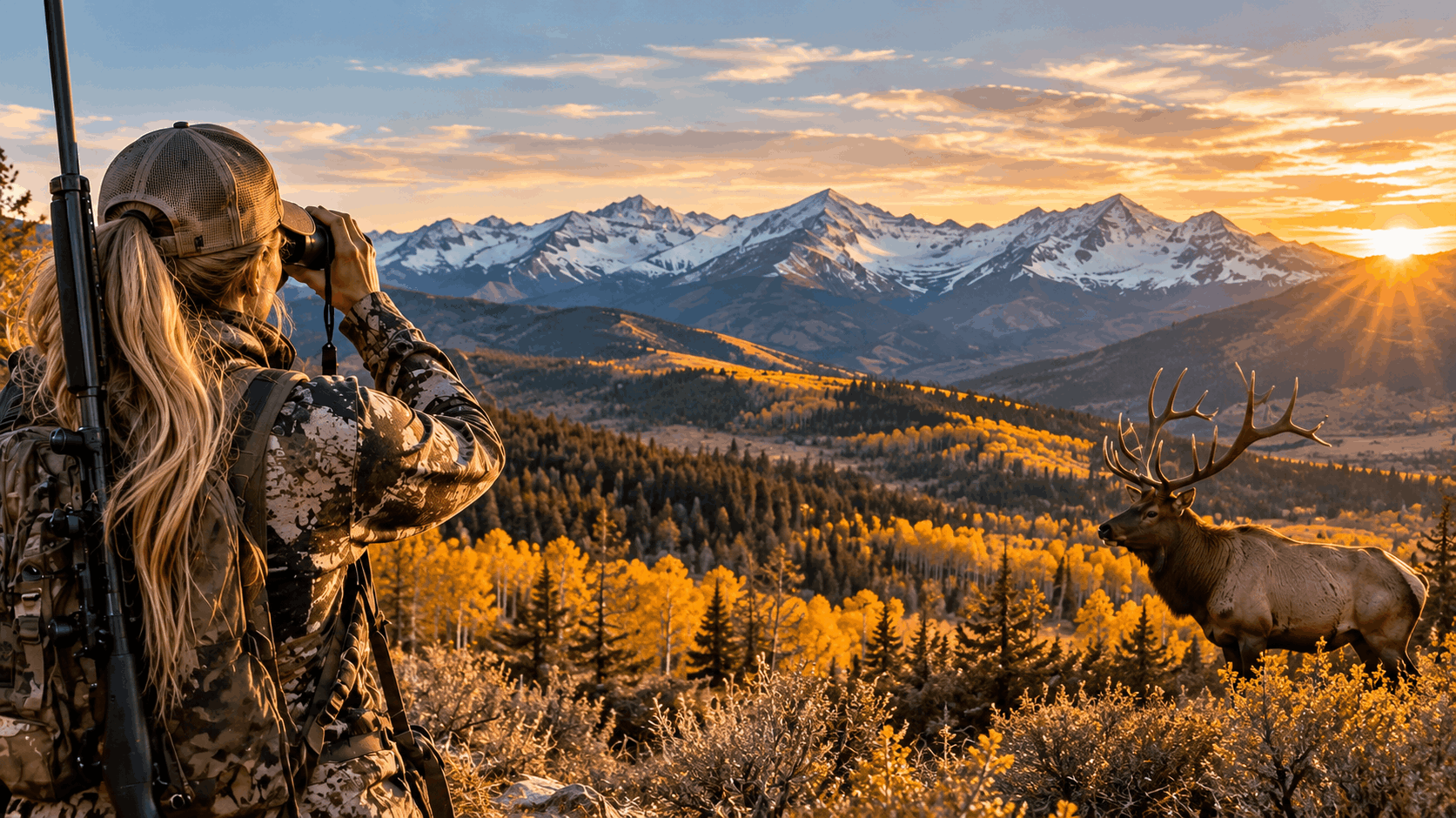
Timing Matters During Hunting Season
Let's start with the calendar because timing really matters here.
Archery elk season opens September 2 and runs through September 30, which overlaps with the rut.
The rut typically gets going around the first week of September and continues for about a month. This is when the bulls are bugling, moving with cow groups and becoming much more responsive to calling.
If you've never experienced an elk hunt during the rut, it really is something special.
Then you have muzzleloader season, which runs September 12 through September 20, followed by the rifle seasons.
The rifle seasons include:
- First Rifle: October 14 through October 18
- Second Rifle: Begins October 24
- Third Rifle: November 7 through November 15
- Fourth Rifle: November 18 through November 22
The second and third rifle seasons tend to be some of the busiest weeks around here.
Fourth rifle comes later in the year. It's colder, and the elk tend to be more grouped up. Experienced hunters often really enjoy that late-season experience.
Of course, hunting regulations and dates can change, so make sure you check the current Colorado Parks and Wildlife regulations before you make your plans.
One Important Change for Archery Hunters
There's another change worth knowing if you're coming from out of state.
OTC archery elk tags have been eliminated, including the areas around Durango.
So if you're a non-resident planning to hunt archery elk here, you're likely going through the draw process rather than simply purchasing an OTC tag.
Rifle tags are a different story, and non-residents can still purchase over-the-counter rifle elk tags in many units.
Locally, we're in GMUs 74 and 75, which cover portions of La Plata and San Juan counties.
If you're not familiar with our area, these units cover a lot of ground.
And I mean a lot.
The Elevation Here Is No Joke
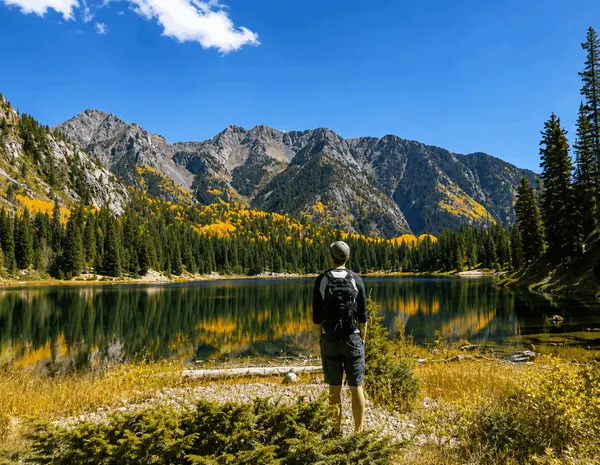
One of the things I love about Southwest Colorado is how dramatically the landscape can change.
Around this area, you're looking at elevations ranging from roughly 6,400 feet all the way up to 13,000 feet.
That's serious high country.
You can go from lower-elevation valleys into rugged mountain terrain pretty quickly, and the conditions can be completely different depending on where you are.
For hunters, that means understanding the terrain is important.
For buyers, it's just as important.
Because when you're looking at rural property, elevation isn't just a number on a listing.
It can affect snow, road conditions, access, vegetation, wildlife movement and how you actually use the property throughout the year.
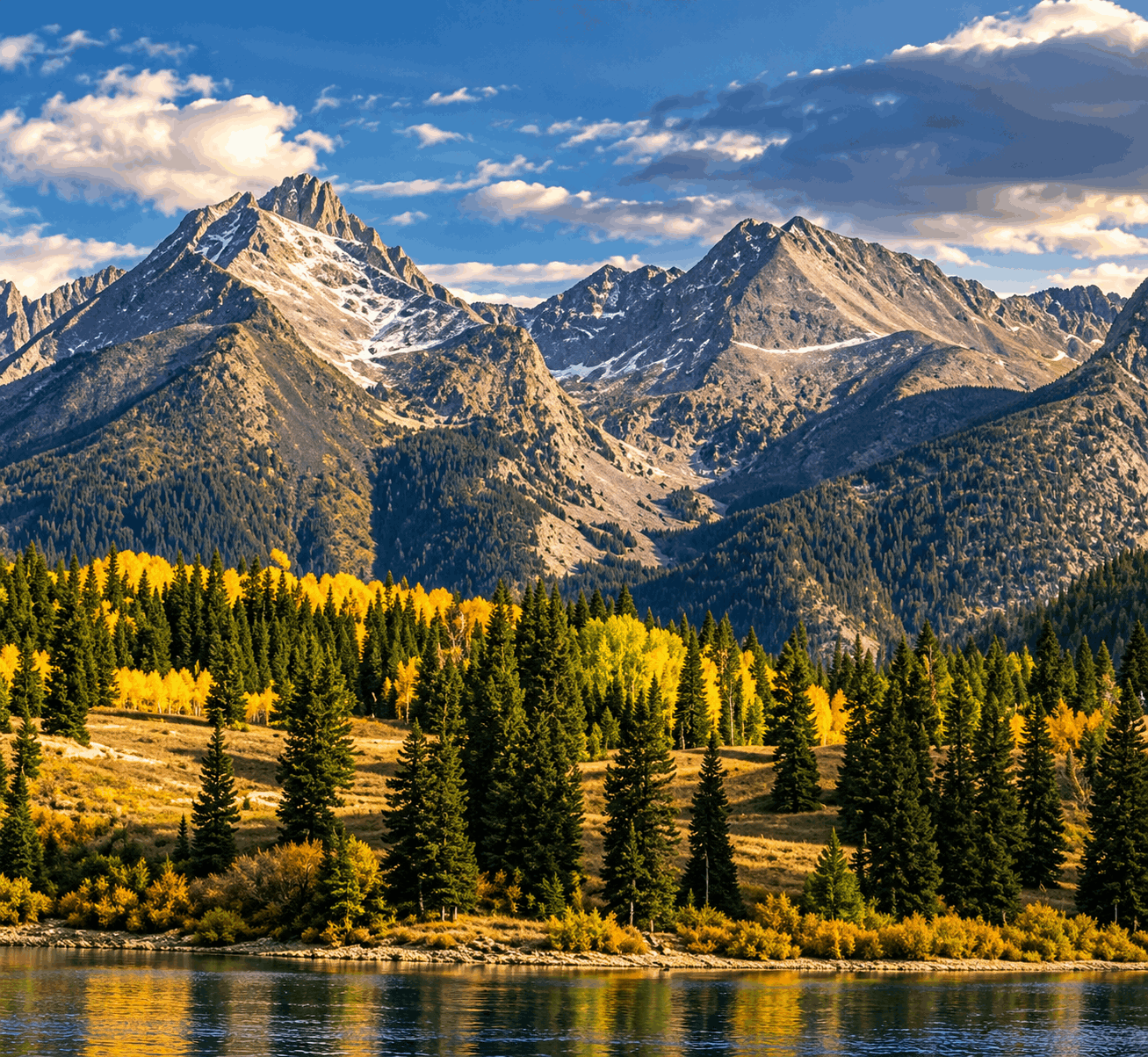
Start Paying Attention to Water
When you're out scouting, one of the things I always think about is water.
Elk are moving around looking for water, food and cover, so creeks, drainages and other natural features are worth paying attention to.
But water becomes even more important when you're looking at property to buy.
If you find yourself falling in love with a ranch or acreage property, don't just ask:
“Does this property have water?”
Ask:
“What water rights come with the property?”
That's a very different question.
In Colorado, owning land next to a creek or other water source doesn't automatically mean you own the right to use that water.
Water rights can be extremely valuable, and established water rights can be much more important than simply having a certain number of acres.
This is one of those things I really want buyers to understand before they get too far into looking at rural properties.
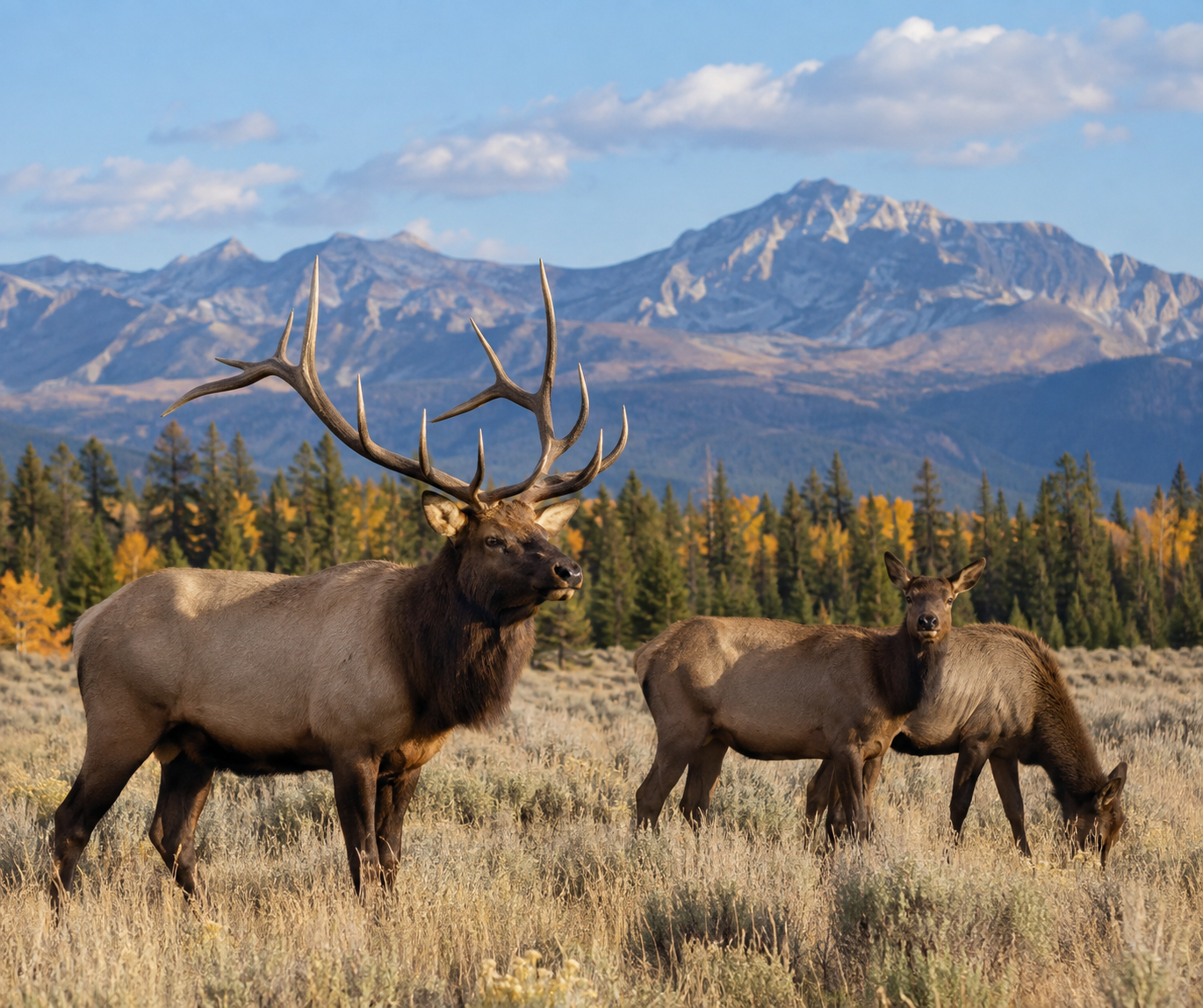
Look at What's Around the Property
Another thing I pay close attention to when helping someone look at hunting or recreational property is the surrounding land.
Don't just look at the parcel.
Look beyond the property lines.
What borders it?
Is it National Forest?
BLM?
Another ranch?
Smaller private properties?
Roads?
That surrounding land can completely change how a property feels and how you can use it.
One of the things that can make a smaller parcel particularly attractive is when it borders National Forest or BLM land.
You may have a relatively modest amount of private acreage, but suddenly you're sitting next to a huge amount of public land.
That's very different from owning a larger parcel that's surrounded entirely by other private properties.
But here's the important part: don't assume that being next to public land means you automatically have access to it.
You need to understand the actual property boundaries, legal access and any recorded easements.
That's something I always encourage buyers to investigate carefully.
Hunting Season Is Almost Like a Real Estate Tour
Here's the part that I find really interesting.
One reason I think hunters sometimes end up buying property after spending time here is because hunting season gives you a chance to experience the land in a way that a normal real estate showing can't.
You're not looking at listing photos.
You're actually walking the ground.
You're seeing how the light hits a ridge.
You're paying attention to the wind.
You're noticing the terrain.
You're seeing what the access road actually looks like.
You're experiencing the landscape instead of just looking at it on a satellite map.
And sometimes you realize that the piece of land you've been standing on is exactly what you've been searching for.
That's a pretty good way to discover Southwest Colorado.
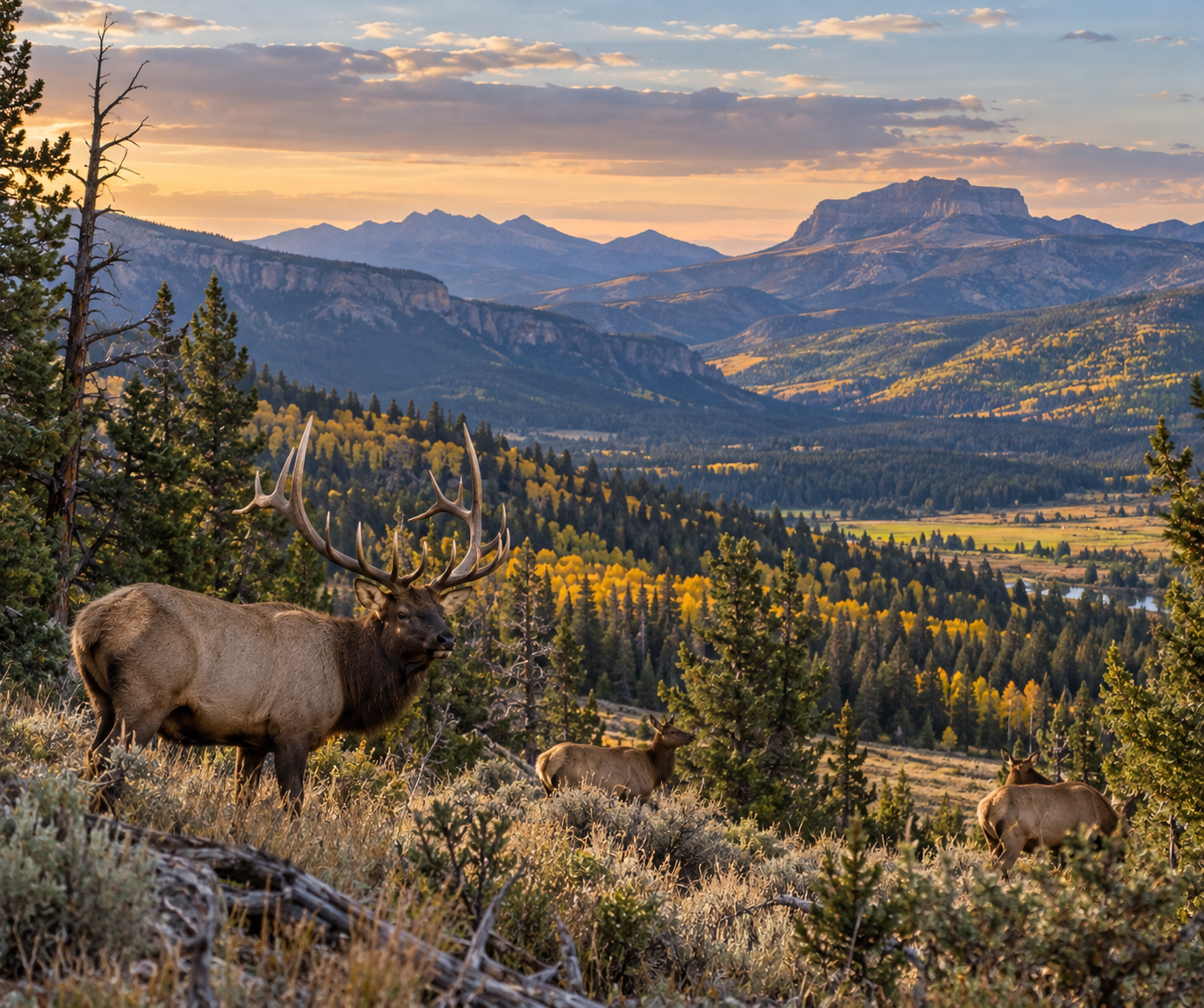
Look Beyond the Listing Photos
When you're searching for Colorado hunting property online, it's easy to get caught up in the photos.
And believe me, Southwest Colorado makes that easy.
The mountains are beautiful.
The views are incredible.
A property with 40, 80 or 160 acres can look amazing on a screen.
But the photos don't tell you everything.
When you're here in person, I want you to pay attention to things like:
How do you actually get there?
What does the road look like?
What's the terrain really like?
Where are the neighboring properties?
Where does the public land begin?
Where is the water?
How does the property feel?
Those details can make a huge difference.
Think About Winter, Too
If you're buying a property in Southwest Colorado, you're not just buying it for September or October.
You need to think about the rest of the year.
A road that seems perfectly fine during a fall showing can look very different after a major snowstorm.
Consider:
- Road maintenance
- Snow removal
- Winter access
- Elevation
- Driveway conditions
- Slope
- Sun exposure
- Well and septic systems
- Propane
- Internet
- Emergency access
This is especially important if you're considering a property as a year-round home rather than simply a seasonal hunting retreat.
What Makes a Great Hunting Property?
There isn't one magic formula.
The right property depends on what you're looking for.
Maybe it's a smaller parcel bordering public land.
Maybe you want a larger ranch with water rights.
Maybe you want enough acreage for privacy, a cabin and recreational use.
Maybe you're looking for a property where you can hunt, ride horses, enjoy the mountains and bring the whole family.
Or maybe you aren't actually looking for a hunting property at all.
Maybe you came here to hunt and simply fell in love with Southwest Colorado.
I've seen that happen.
Southwest Colorado Is About More Than Hunting
That's really what makes this area so special.
Hunting may bring you here, but there are so many reasons to stay.
Depending on where you purchase, you can enjoy hiking, fishing, horseback riding, mountain biking, camping, wildlife watching, skiing and countless other outdoor activities.
From Durango and the Animas Valley to Bayfield, Mancos, Cortez, Hesperus, the Pine River Valley and Pagosa Springs, every area has its own personality and its own type of property.
And the farther you get into the mountains, the more important it becomes to understand the details of the land.
That's where local knowledge really matters.
If You're Hunting Here, Take a Look Around
So if you're coming to Southwest Colorado this fall to hunt, take a look around while you're here.
Pay attention to the landscape.
Look at the roads.
Notice the elevation.
Watch how the terrain changes.
Look at the surrounding land.
Think about where you'd want to spend your time if you actually owned a place here.
Because you might come here for the elk and leave thinking about acreage.
And if that happens, give me a call.
I'd be happy to show you what's available and help you understand the different areas around Durango, La Plata County and Southwest Colorado.
Because when you're buying rural property, you're not just buying the house or the acreage.
You're buying the land, the access, the water, the surroundings and the lifestyle.
And those details matter.
🎥 Watch the Full Video
I go into more detail about hunting season in La Plata County, elk movement, GMUs 74 and 75, water rights, public and private land boundaries, and why hunting season can actually be a great time to scout potential real estate.
If you're planning a hunting trip to Southwest Colorado this fall, take a few minutes to watch the video before you go.
And if you're coming to hunt and find yourself thinking about owning your own piece of Southwest Colorado, I'd love to help you explore the possibilities.
Ashley Blackmore, Broker
Blackmore Group Realty
Colorado & New Mexico Real Estate
📞 (970) 903-7477
📧 ashley@homesforsaledurango.com
Explore Southwest Colorado Properties
Hunting seasons, licensing requirements and Colorado Parks and Wildlife regulations can change. Always verify current regulations and requirements before your hunt.
Categories
Recent Posts
Leave a reply