
Conservation Easements in Southwest Colorado: What Ranch Owners Need to Know

If you own a ranch in Southwest Colorado, you have probably heard the term conservation easement come up at some point.
Maybe it was during a conversation about property taxes. Maybe a neighbor mentioned one. Maybe your accountant brought it up and suddenly seemed much more interested in your ranch than usual.
But what exactly is a conservation easement, and what does it mean for a landowner?
For ranch families in Southwest Colorado, a conservation easement can be an important tool for protecting agricultural land, preserving wildlife habitat, planning for future generations, and potentially creating financial and tax benefits. It can also be a significant long-term decision because a conservation easement is generally designed to remain with the property permanently.
Before considering one, it is important to understand both the opportunities and the restrictions.
What Is a Conservation Easement?
A conservation easement is a voluntary legal agreement between a landowner and a qualified organization, such as a land trust or government entity, that permanently limits certain development rights on a property.
The important distinction is this:
You still own the land.
A conservation easement does not mean that you sell your ranch or give the property away.
Instead, you are voluntarily giving up or restricting certain development rights associated with the property.
Depending on how the easement is structured, the restrictions might limit subdivision, residential development, commercial development, or other uses that could significantly change the property's conservation values.
The landowner generally continues to own and use the property, subject to the terms of the easement.
That can include continuing agricultural activities such as grazing, haying, fencing, irrigation, and other ranch operations that are allowed under the specific easement.
Colorado Parks and Wildlife describes conservation easements as one of the voluntary tools used to protect important wildlife habitat and working lands. Its Colorado Wildlife Habitat Program currently prioritizes projects that can protect big-game winter range and migration corridors, riparian areas, wetlands, landscape-scale parcels, and other important habitat.
You're Not Giving Away Your Ranch
This is probably one of the biggest misconceptions about conservation easements.
A conservation easement is not the same thing as donating your land.
You continue to own the property, and you can generally continue using it according to the terms established in the easement.
What changes is the bundle of development rights associated with the land.
Think of it this way: You may own 500 acres, but you may decide that you don't want those 500 acres eventually divided into dozens of smaller residential parcels.
A conservation easement can permanently restrict that type of development.
The exact restrictions are different for every property. That is why the language in the easement document matters so much.
Why Are Southwest Colorado Ranch Owners Considering Conservation Easements?
Southwest Colorado has something that is increasingly difficult to find: large, contiguous pieces of private land.
Ranch properties around Durango, Bayfield, Mancos, Dolores, Cortez, Pagosa Springs, Ignacio, Hesperus, and the surrounding valleys and mountain communities can have significant agricultural, scenic, recreational, and wildlife value.
That land can also have substantial development potential.
For some landowners, that creates a difficult question:
What do I want this property to look like 20, 50, or 100 years from now?
A conservation easement can be one way to answer that question.
For a family that wants the ranch to remain a ranch, permanently limiting subdivision may be more important than preserving every possible future development option.
For another landowner, the financial or estate-planning considerations may be a larger part of the conversation.
And for some, the primary motivation may simply be protecting the land itself.
Preserving a Working Ranch
Imagine a family ranch that has been in operation for generations.
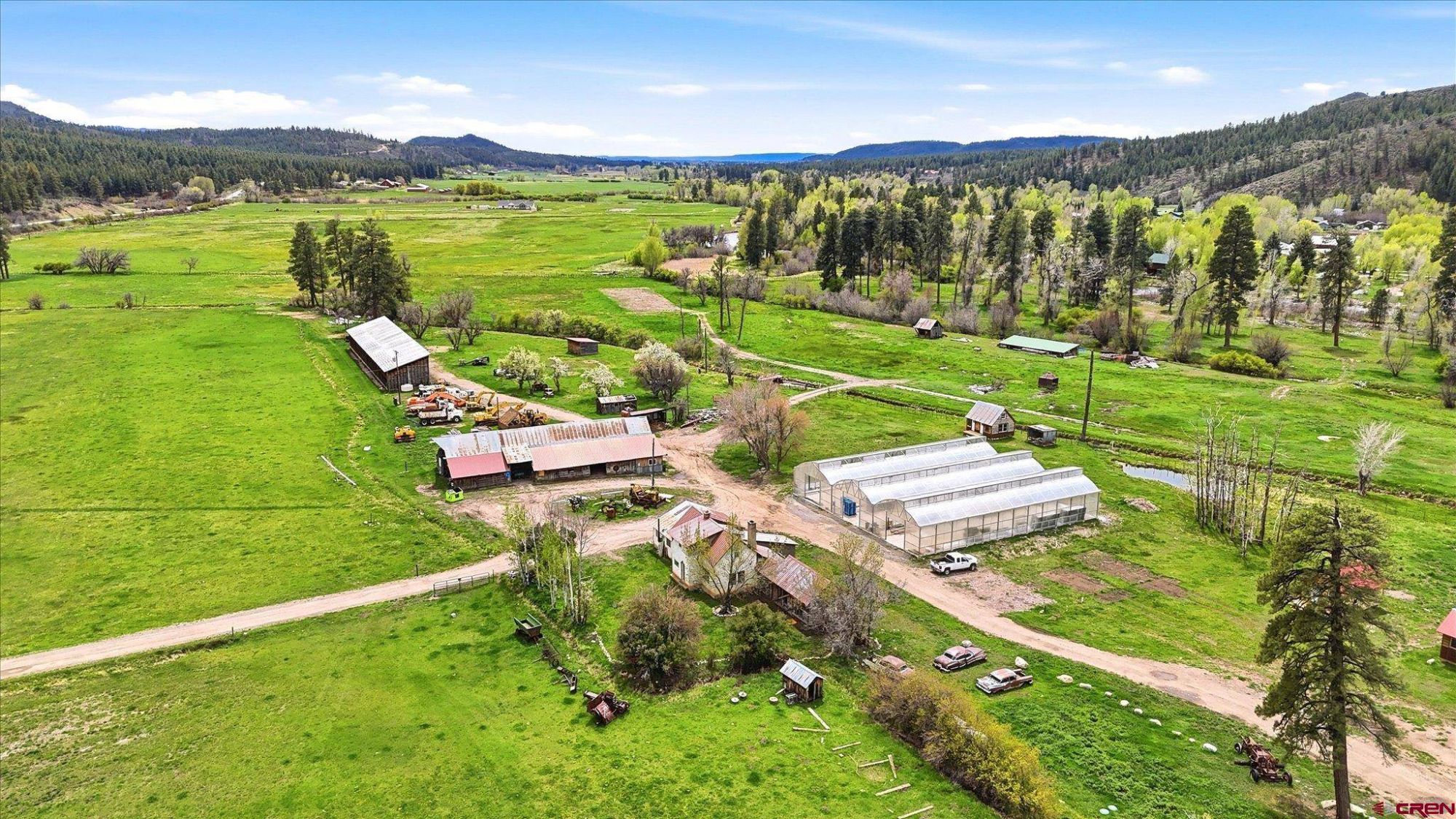
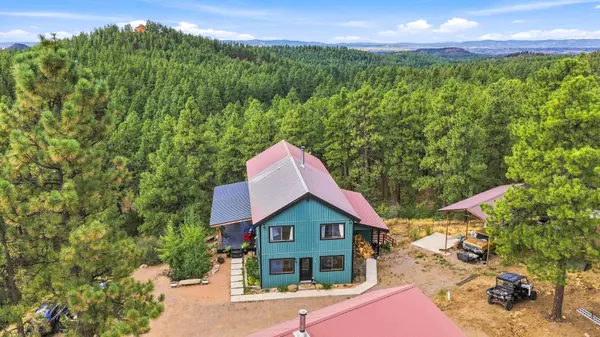
Today, it might consist of hay fields, grazing ground, irrigation infrastructure, barns, fences, wildlife habitat, and a family home.
Without development restrictions, future owners could potentially make very different decisions about how the property is used, depending on zoning, subdivision regulations, market conditions, and other factors.
A conservation easement can establish permanent restrictions designed to protect specific conservation values.
That permanence is important.
The easement generally remains attached to the property even if the ranch is sold or passed down to the next generation.
For families thinking about succession planning, that can be a meaningful part of the conversation.
The goal may be to make sure the land remains a working ranch rather than eventually becoming a collection of smaller residential properties.
What About Hunting and Wildlife?
Conservation easements can also play an important role in protecting wildlife habitat.
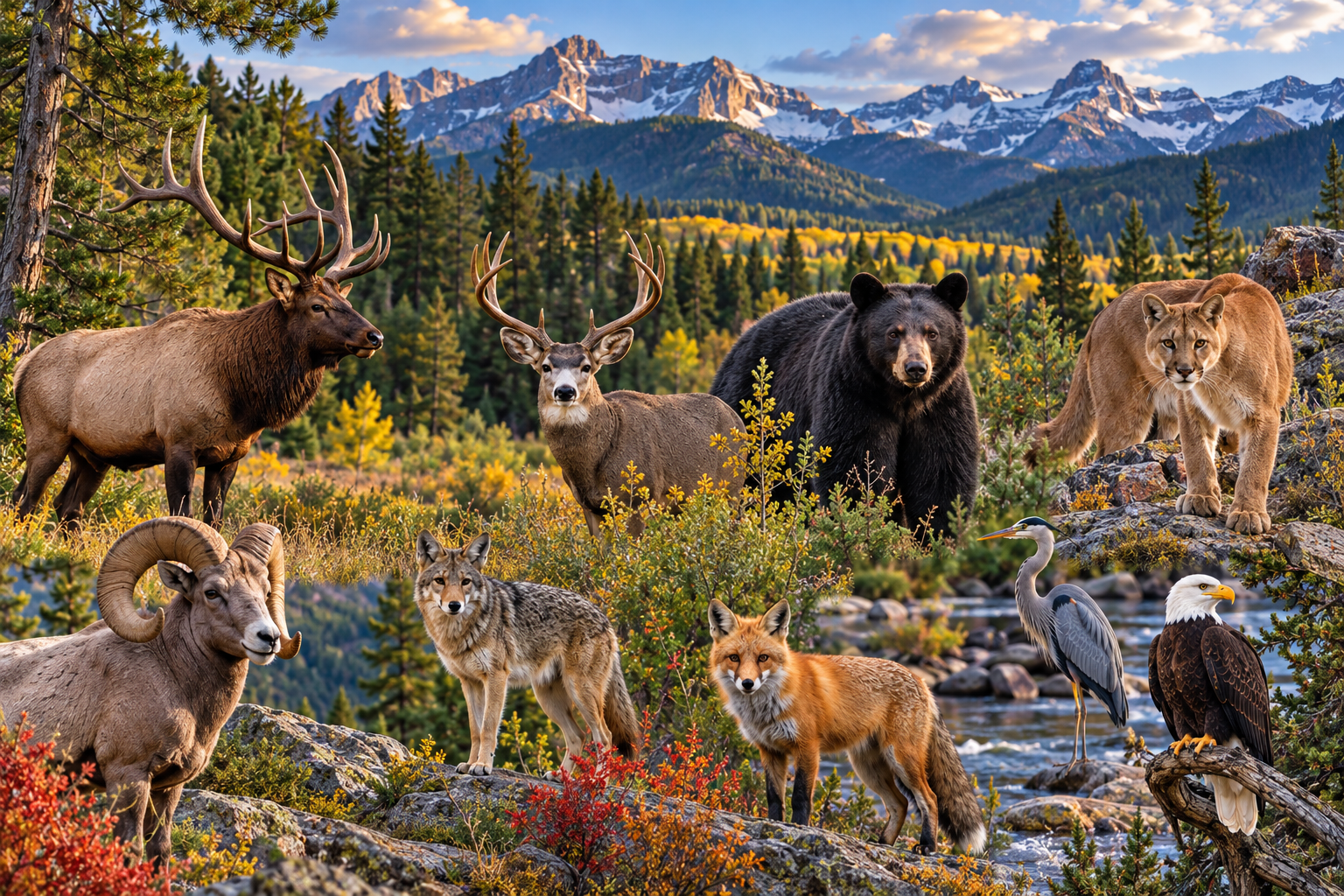
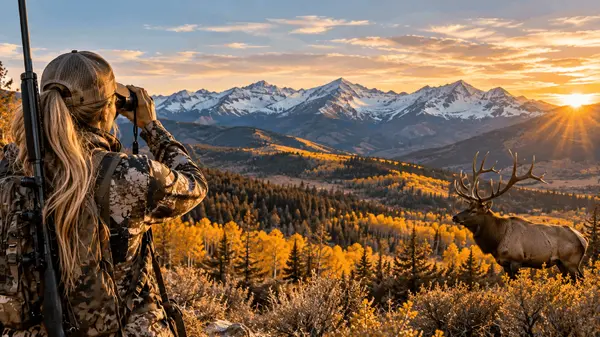
Southwest Colorado is home to elk, mule deer, black bears, mountain lions, waterfowl, and numerous other species. Large ranches can provide winter range, migration corridors, riparian habitat, agricultural forage, and other important wildlife resources.
Colorado Parks and Wildlife's current conservation programs specifically identify wildlife habitat, migration corridors, riparian areas, wetlands, and large connected parcels among conservation priorities.
But there is an important distinction to understand:
A conservation easement does not automatically mean the public gets access to your property.
Public access and conservation restrictions are separate considerations.
Some conservation projects include public access provisions, while others do not. The terms depend on the specific agreement.
In other words, placing a conservation easement on private ranch land does not automatically turn the property into public land or a public park.
The land remains privately owned.
Can You Still Ranch the Property?
Potentially, yes.
This is one of the reasons conservation easements can be attractive to agricultural landowners.
An easement can be written to allow continued agricultural operations while restricting certain forms of development.
That might include activities such as:
- Grazing
- Hay production
- Irrigation
- Fencing
- Agricultural structures
- Ranch roads
- Wildlife habitat management
- Other ongoing ranch activities
However, the specific permitted uses depend entirely on the easement document.
This is one area where a ranch owner should not rely on a general explanation of conservation easements. The actual agreement needs to be carefully reviewed with qualified legal and tax professionals before signing.
The Financial Side of Conservation Easements
This is where the conversation can become more complicated.
In some situations, a conservation easement can provide financial benefits because the landowner is permanently restricting development rights.
When a conservation easement is donated to a qualified organization, the value of the donated conservation interest may potentially qualify for a charitable deduction under applicable federal tax rules.
Some transactions may also involve a bargain sale, where an easement is sold for less than its full value and the transaction combines compensation with a potential charitable component.
There can also be estate-planning considerations because restrictions on development may affect the appraised value of the property.
But this is an area where the details matter enormously.
Tax treatment depends on the structure of the transaction, the property, the taxpayer, applicable federal and state rules, valuation, timing, and other factors.
This is not a situation where a ranch owner should make a decision based on a percentage or tax example they heard from a neighbor.
A qualified tax professional and attorney should review the specific circumstances.
The Appraisal Matters
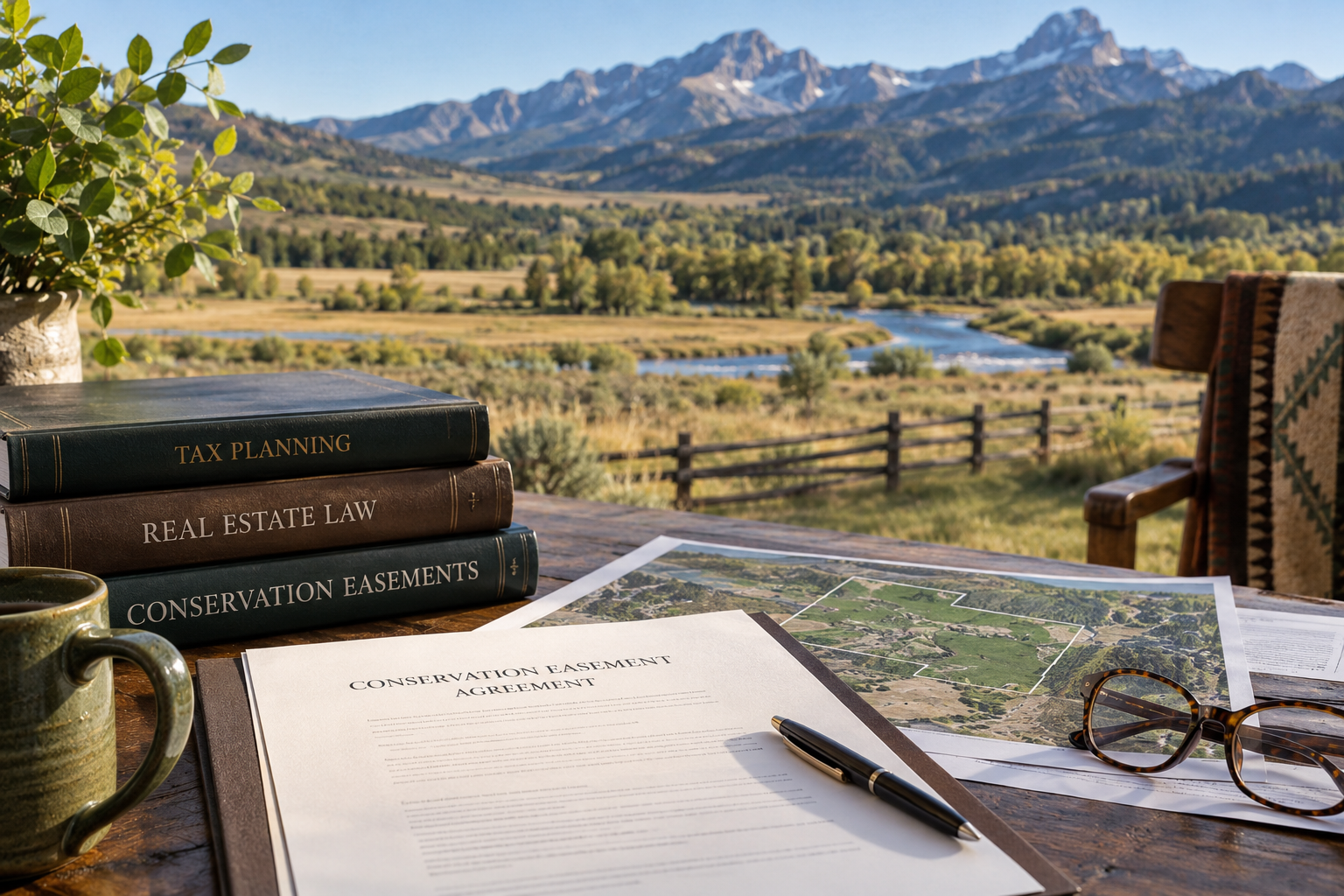
If you're considering a conservation easement, an independent appraisal can be a critical part of the process.
The appraisal generally looks at the property both before and after the easement restrictions to help determine the value of the development rights being restricted.
That valuation can have significant financial implications.
Because conservation easements involve substantial tax and legal considerations, the appraisal process should be handled by appropriately qualified professionals, and landowners should understand exactly what is being valued and why.
Who Holds a Conservation Easement?
Conservation easements are commonly held by qualified land trusts or governmental entities.
The organization holding the easement is responsible for ensuring that the terms of the agreement continue to be followed.
That generally means monitoring the property over time.
A conservation easement is not simply a one-time transaction where everyone walks away and forgets about it.
The easement holder has an ongoing stewardship responsibility.
For landowners, that means understanding what future monitoring will look like and what rights the easement holder has under the agreement.
What Does the Monitoring Process Look Like?
Typically, the organization holding the easement conducts periodic monitoring of the property to confirm that the conservation terms are being honored.
The exact process varies by organization and agreement.
For a ranch owner, the important thing is to understand these requirements before entering into the easement.
You'll want to know:
- How often the property will be monitored
- What documentation is required
- What activities require prior approval
- What improvements are permitted
- What happens if the property changes ownership
- What rights the easement holder has
- How future construction is handled
These are not small details. They become part of the long-term relationship between the landowner and the easement holder.
Conservation Easements Don't Have to Cover Every Acre
Another common misconception is that a conservation easement has to treat an entire ranch exactly the same way.
Depending on the property and the conservation objectives, easements can be structured with different areas and restrictions.
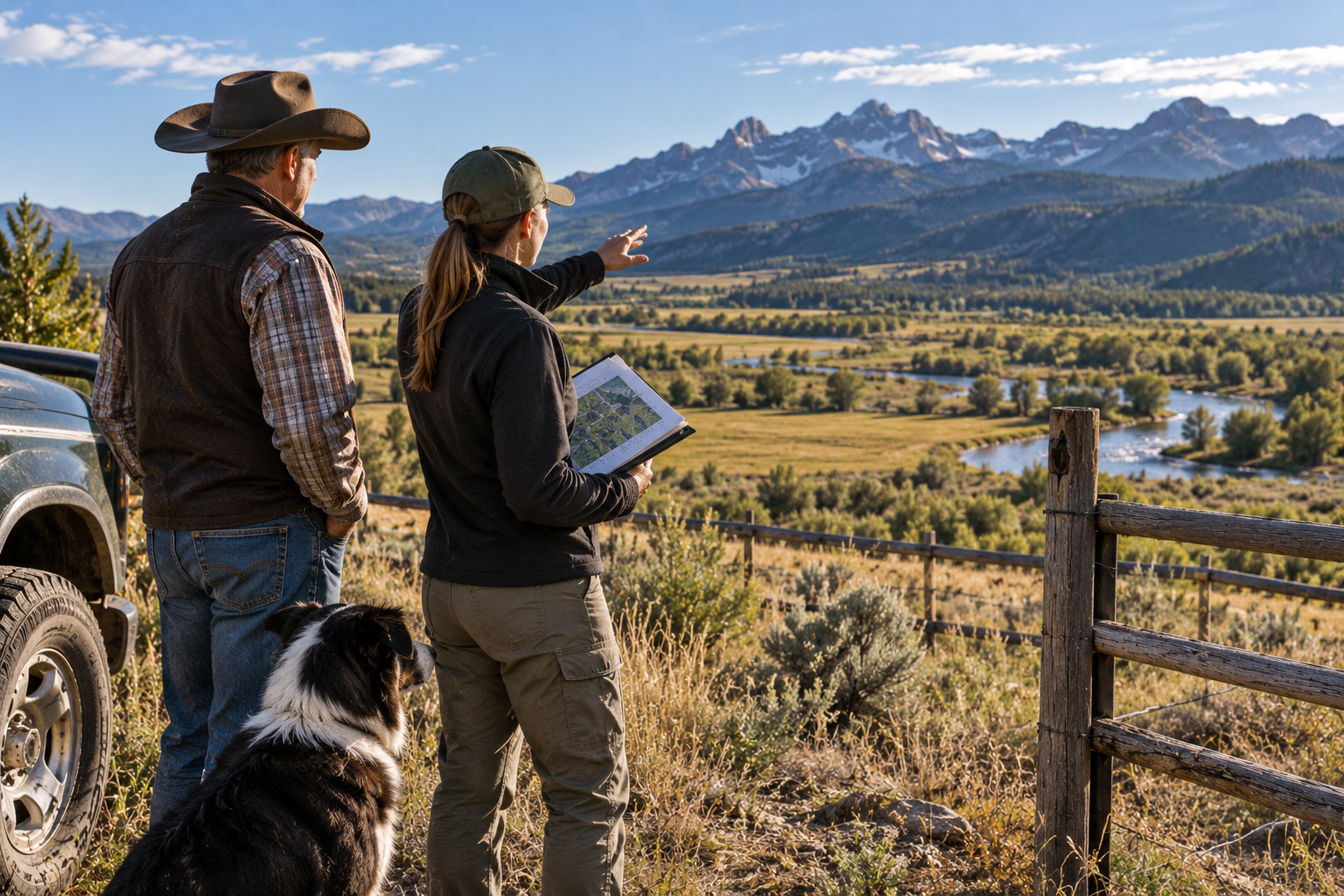
For example, a ranch owner might want to place stronger protections on a river corridor, wetland, hay meadow, or wildlife habitat while retaining a designated building envelope around the existing home or another appropriate area.
The exact possibilities depend on the property, conservation values, land trust requirements, and applicable law.
This is one reason early conversations are so important.
The landowner should be involved in determining what they want to protect and what flexibility they want to retain.
The Process of Creating a Conservation Easement
While every transaction is different, the process generally involves several stages.
1. Start With the Right Conversations
A ranch owner may want to speak with:
- A qualified land trust
- Tax advisor or CPA
- Estate-planning attorney
- Real estate attorney
- Qualified appraiser
- Other professionals familiar with conservation transactions
The goal is to understand whether a conservation easement actually fits the owner's objectives before getting too far into the process.
2. Evaluate the Property
The property will need to be evaluated for its conservation values and the type of easement that might be appropriate.
Factors can include agricultural productivity, wildlife habitat, water resources, scenic qualities, existing development, location, and other conservation characteristics.
3. Determine the Easement Terms
This is where the details really matter.
The easement document should spell out what is restricted and what remains permitted.
That can include development rights, subdivision, building envelopes, agricultural activities, roads, fencing, water infrastructure, agricultural structures, and other uses.
4. Complete the Appraisal
A qualified appraisal can determine the value of the conservation interest being restricted or transferred.
5. Complete Legal and Tax Review
The proposed agreement should be carefully reviewed by the landowner's legal and tax professionals.
This is especially important because the restrictions are intended to be permanent.
6. Record the Easement
Once the transaction is completed, the conservation easement is recorded according to the applicable requirements.
At that point, the restrictions become part of the property's legal history and generally continue with the land through future ownership transfers.
The Word "Permanent" Deserves Attention
This may be the most important part of the entire conversation.
A conservation easement is generally intended to be permanent.
That means a ranch owner isn't simply making a decision for today's market.
They're making a decision that can affect future owners, children, grandchildren, and generations that haven't even been born yet.
That's why a conservation easement can be both a financial decision and an emotional one.
Before signing, a landowner should be comfortable with the restrictions not only today, but also years from now.
Ask yourself:
What does my family need this property to be able to do in the future?
That question can be just as important as the tax benefits.
Conservation Easements and the Future of Southwest Colorado Ranches
Southwest Colorado's ranches are part of what makes the region distinctive.
The working landscapes around the Animas Valley, Florida Mesa, Pine River Valley, Hesperus, Bayfield, Mancos, Dolores, Cortez, and other agricultural areas provide more than open space.
They support agricultural operations, wildlife habitat, scenic viewsheds, water resources, and a connection to the region's rural history.
Programs such as Colorado Parks and Wildlife's Colorado Wildlife Habitat Program use voluntary conservation tools to help protect important habitat and working landscapes. CPW reports that its program has secured hundreds of thousands of acres through conservation easements and related conservation transactions.
For some ranch families, conservation easements are part of a larger strategy for keeping those landscapes intact.
For others, they may not be the right fit.
The important thing is understanding your options before making a permanent decision.
Is a Conservation Easement Right for Your Ranch?
There isn't one answer for every landowner.
A conservation easement may make sense for someone whose primary goal is preserving a ranch for future generations.
It may also be worth exploring for landowners who have significant conservation values on their property and want to investigate potential financial or estate-planning benefits.
But there are also tradeoffs.
You are permanently restricting certain rights associated with the property, and those restrictions can affect future development, financing, estate planning, and resale considerations.
That's why this is not simply a tax strategy.
It's a land-use decision, financial decision, estate-planning decision, and family decision all at once.
A Conversation Worth Having Before You Decide
If you're a ranch owner in Southwest Colorado and you've been wondering whether a conservation easement could make sense for your property, start with a conversation.
Talk with a qualified land trust. Talk with your CPA. Talk with your attorney. Understand what you're giving up, what you can continue doing, and what the long-term implications could be.
And if you're thinking about the future sale of the ranch, understanding the easement options before putting the property on the market can also be valuable.
At Blackmore Group Realty, we work with ranch and acreage properties throughout Southwest Colorado and understand that selling a ranch is often about much more than putting a price on the land.
It's about understanding the land, the improvements, the water, the agricultural operation, the recreational opportunities, and the long-term goals of the owners.
If you're considering a conservation easement, evaluating your ranch's market position, or simply trying to understand what your options are, we're always happy to be part of that conversation.
Ashley Blackmore, Broker
📞 (970) 903-7477
📧 Ashley@homesforsaledurango.com
Blackmore Group Realty
Southwest Colorado Ranches & Real Estate
This article is for general educational purposes only and is not legal, tax, appraisal, or financial advice. Conservation easement rules and tax treatment can vary based on the property and transaction and may change over time. Landowners should consult qualified legal, tax, appraisal, and conservation professionals before making a decision.
Categories
Recent Posts

Leave a reply