
Telluride vs. Durango, Colorado: Which Southwest Colorado Mountain Town Is Right for You?

Southwest Colorado is home to some of the most sought-after mountain communities in the state, and two destinations that frequently attract homebuyers are Telluride and Durango. Both offer breathtaking San Juan Mountain scenery, access to outdoor recreation, four-season activities, and a lifestyle that draws people from across the country. However, when it comes to real estate, everyday living, and long-term homeownership, these two communities offer distinctly different experiences.
For buyers considering a move to Southwest Colorado, the decision often comes down to more than mountain views. Do you want a world-renowned ski destination with a luxury resort atmosphere, or a year-round community with a historic downtown, local businesses, rural properties, and access to a wide range of outdoor activities?
Telluride and Durango each have plenty to offer, but understanding their differences can help you make a more informed real estate decision.
For those already living in Durango, Bayfield, or elsewhere in La Plata County, comparing these markets also highlights what makes the local area unique. From in-town homes and mountain properties to working ranches and private acreage, the greater Durango area offers a range of real estate opportunities for buyers with different budgets and lifestyles.
In this guide, we will compare Telluride vs. Durango, Colorado, including housing costs, lifestyle, outdoor recreation, local amenities, and what buyers should know about the real estate markets in San Miguel and La Plata counties.
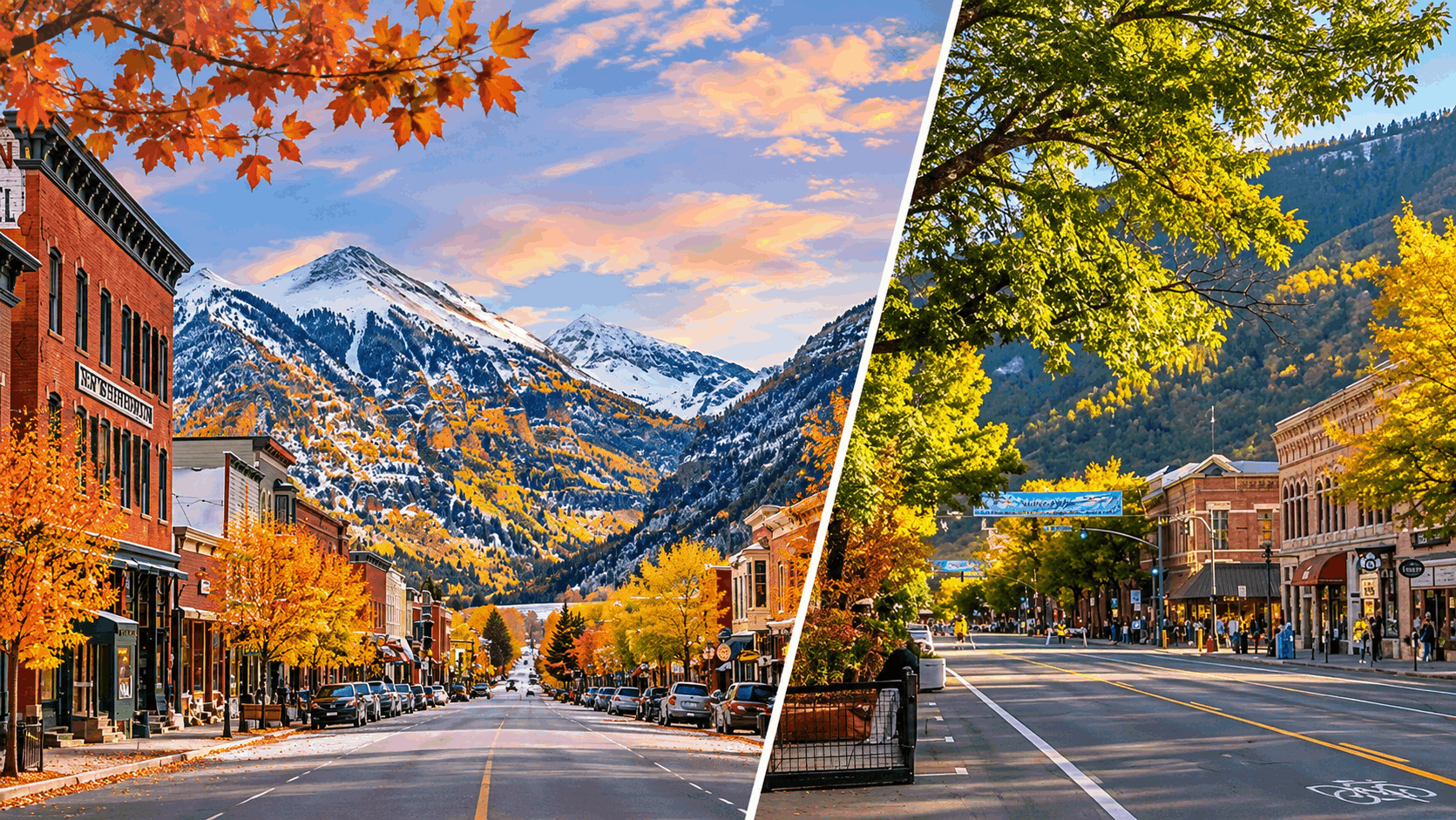
1. Telluride vs. Durango at a Glance
The biggest distinction is how each community functions.
Telluride is internationally recognized as a mountain resort destination. Durango, on the other hand, serves as a regional hub for Southwest Colorado, supporting a broader mix of residential neighborhoods, rural communities, businesses, education, healthcare, and recreation.
Neither option is automatically better. The right choice depends on your priorities, financial goals, and how you want to spend your time in the mountains.
2. Cost of Living: Is Durango More Affordable Than Telluride?
For many buyers, housing costs are the first major difference to consider.
Durango generally offers a more attainable entry point into Colorado mountain real estate than Telluride. Telluride's reputation as a luxury ski destination, limited geography, and strong second-home demand contribute to its premium property market. Durango offers a wider range of housing choices across the city and surrounding La Plata County.
The difference is not limited to the purchase price. Buyers should also consider insurance, utilities, maintenance, transportation, property management, and the cost of owning a home that may sit vacant for part of the year.
What does that mean for homebuyers?
In Telluride, buyers may be shopping for a ski-accessible condominium, a luxury residence in town, or a high-end property in Mountain Village. Many purchases are driven by lifestyle preferences and second-home ownership.
In Durango, buyers can explore a broader range of property types, including:
-
Downtown and in-town homes near Main Avenue and local amenities.
-
Condominiums and townhomes for lower-maintenance ownership.
-
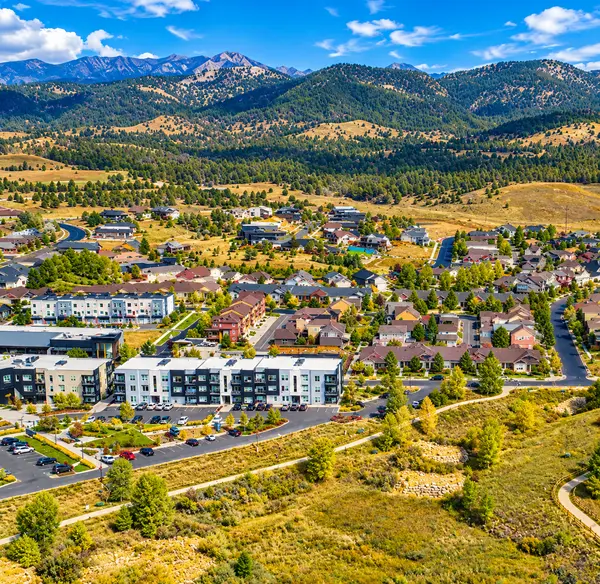
Homes in established neighborhoods and planned communities.
-
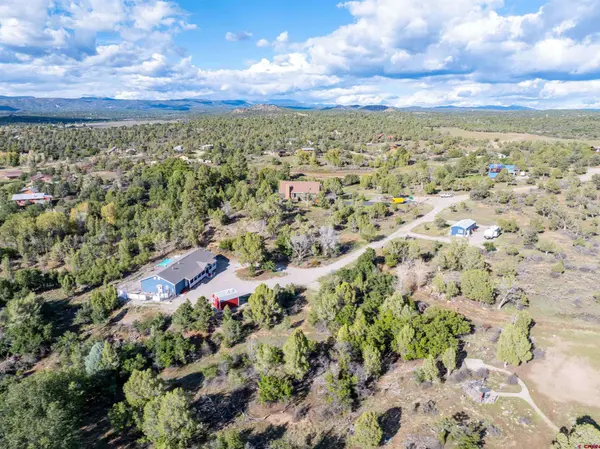
Rural properties with additional acreage and privacy.
-
Mountain homes near recreation areas.
-
Ranches, agricultural properties, and land for buyers seeking more space.
The surrounding communities also create additional options. Buyers who are priced out of certain Durango neighborhoods may consider Bayfield, Hesperus, or other areas in La Plata County, depending on commute requirements, property features, and budget.
These alternatives do not guarantee a lower total cost. Rural properties, for example, may require additional spending on wells, septic systems, private roads, snow removal, or other infrastructure.
The best comparison is therefore not simply the median home price. It is the overall cost of ownership for a property that fits your lifestyle.
3. Understanding the Real Estate Markets
Telluride real estate: A luxury resort market
Telluride and the surrounding San Miguel County market attract buyers who value mountain scenery, ski access, luxury amenities, and the appeal of owning property in a well-known resort destination.
The market includes historic homes in Telluride, condominiums near resort amenities, luxury residences in Mountain Village, and properties in surrounding communities.
Because property types and locations vary significantly, buyers should not treat the entire Telluride region as one uniform market. A condominium near the gondola, a single-family home in town, and a private residence outside the resort area can have very different ownership costs and resale considerations.
The Colorado Association of REALTORS reported that the Telluride and San Miguel County market recorded approximately $868.28 million in sales across 448 transactions in 2025, down from $1.004 billion across 483 transactions in 2024. This illustrates the scale of the area's high-value real estate market, even as annual sales activity fluctuates.
Durango real estate: More variety across the county
Durango's real estate market serves both primary residents and second-home buyers. While premium homes and luxury ranches are available, the area also offers a range of smaller homes, condominiums, townhomes, rural residences, and undeveloped land.
For buyers comparing Durango vs. Telluride real estate, this broader selection can be an important advantage.
Consider the different property opportunities across La Plata County:
-
Durango in-town: Convenient access to downtown, services, restaurants, and community amenities.
-
Animas Valley: A mix of residential properties, larger lots, mountain views, and rural character north of town.
-
Florida Mesa: Rural homes, agricultural properties, and open landscapes south and east of Durango.
-
Bayfield and the Pine River Valley: A small-town atmosphere, residential neighborhoods, and properties with varying amounts of land.
-
Hesperus and the western county: More rural settings, acreage, and opportunities for buyers seeking privacy.
-
Vallecito and the surrounding mountain areas: Recreational properties, cabins, and homes near forest and lake access.
-
North County and the Purgatory area: Mountain homes and condominiums suited to buyers interested in skiing and four-season recreation.
Each area has its own pricing patterns, access considerations, and property characteristics. A home five miles outside Durango can offer a very different ownership experience from a property in town, even when both share the same mailing address.
For sellers, these differences make accurate pricing especially important. For buyers, they create opportunities to compare location, land, home size, and lifestyle rather than focusing exclusively on a single citywide price figure.
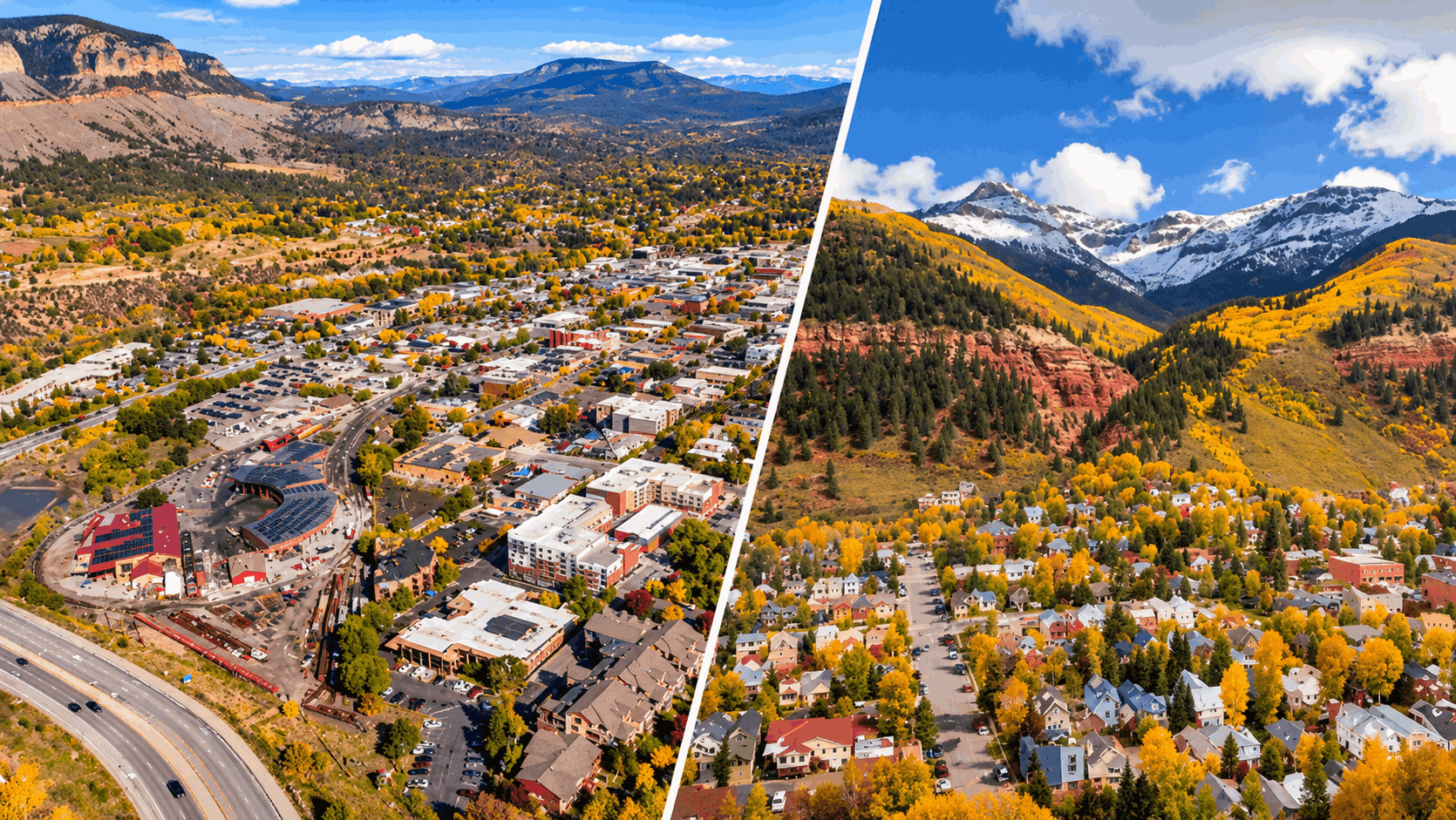
4. La Plata County Housing: What Local Buyers Should Know
For anyone comparing Telluride and Durango, understanding La Plata County is essential.
La Plata County includes Durango and a collection of smaller communities and rural areas that contribute to the region's distinctive real estate market. Buyers can find everything from walkable in-town homes to properties with mountain views, agricultural land, forested acreage, and private access to outdoor recreation.
However, the region is not immune to housing affordability challenges.
The 2025 La Plata County Housing Needs Assessment and the City of Durango's housing strategy identify a gap between housing costs, local incomes, and the supply of homes that residents can afford. The city's published housing information also highlights the need for additional housing as employment growth outpaces housing production.
This matters to both prospective residents and longtime locals.
A buyer relocating from a larger metropolitan area may find Durango comparatively attractive next to Colorado's luxury resort markets. Yet a local household earning a typical regional income may still face significant barriers to homeownership.
Why local knowledge matters
When searching for a home in La Plata County, buyers should look beyond broad online estimates and ask questions specific to the property and community.
For example:
-
Is the property within Durango city limits or in unincorporated La Plata County?
-
Does the home use municipal water and sewer, a private well, or a septic system?
-
Are there covenants, homeowners association fees, or other restrictions?
-
Is year-round access practical during winter weather?
-
Are there additional costs for maintaining acreage, private roads, or outbuildings?
-
How far is the property from work, schools, healthcare, and everyday shopping?
-
Does the property have any restrictions on short-term rentals or future development?
For rural homes, septic-system requirements deserve particular attention. La Plata County has a continued use permit process for qualifying onsite wastewater systems when a property changes hands. Buyers and sellers should confirm the applicable requirements with the county and verify the property's documentation early in the transaction.
These details can affect a property's value, maintenance budget, and suitability for a particular buyer.
The takeaway is simple: comparing Durango and Telluride requires understanding not just the towns themselves, but also the communities and property types surrounding them.
5. Outdoor Recreation: Skiing, Hiking, Biking, and More
Telluride: A ski-centered mountain lifestyle
Telluride is particularly appealing to buyers who want skiing and resort access to be central parts of everyday life.
Winter brings skiing and snowboarding, while summer offers hiking, mountain biking, scenic gondola rides, and access to the surrounding San Juan Mountains. The town's compact layout and gondola connection to Mountain Village add convenience for people who want to spend less time driving between lodging, restaurants, and mountain activities.
For second-home owners, this can make a long weekend feel like a complete mountain getaway.
Of course, owning a home near a ski resort does not eliminate the practical considerations of winter living. Snow removal, seasonal maintenance, travel conditions, and the cost of managing a property from a distance should all be part of the decision.

Durango: A four-season outdoor community
Durango's outdoor lifestyle extends beyond skiing.
Residents can enjoy the Animas River corridor, mountain biking, hiking, fishing, camping, rafting, and access to public lands throughout Southwest Colorado. The Durango area is also known for the historic Durango & Silverton Narrow Gauge Railroad, which follows a scenic route through the Animas River canyon.
Nearby Purgatory Resort offers skiing and snowboarding in winter and mountain recreation in warmer months.
For many locals, the appeal lies in having multiple ways to spend time outdoors without making skiing the center of every season.
A summer morning might mean riding a local trail before work, fishing a nearby river, or taking a drive toward the mountains. Winter may bring a day at Purgatory, a walk along the Animas River Trail, or a weekend trip into the surrounding mountains.

What about rural property owners?
This is where the broader La Plata County area can stand out.
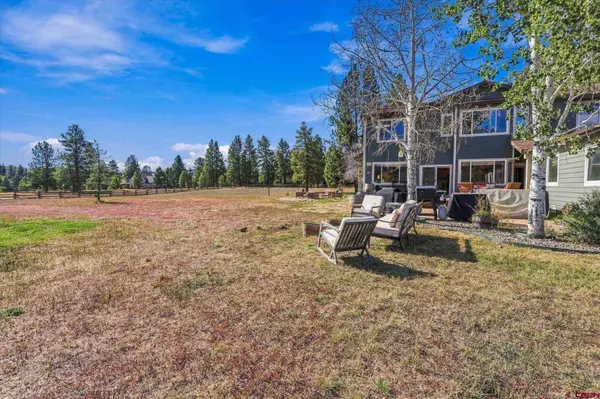
Buyers looking for land, a workshop, a garden, livestock space, or room between neighbors may find options outside the city that are difficult to replicate in a compact resort community.
However, acreage should be evaluated carefully. A larger parcel may involve more maintenance, private infrastructure, wildfire mitigation, irrigation considerations, and longer drives to services.
The right rural property can be an excellent fit, but it should support the owner's actual lifestyle rather than simply look appealing in listing photographs.
6. Everyday Living: Which Town Feels More Like Home?
Durango's community-centered lifestyle
Durango has a historic downtown along Main Avenue, local restaurants, independent businesses, cultural events, and community institutions that support life beyond tourism.
Fort Lewis College adds an educational and cultural presence, while the broader regional economy includes healthcare, education, government, hospitality, outdoor recreation, and other services.
For full-time residents, this combination can make Durango a practical base for building a long-term life in Southwest Colorado.
The surrounding communities also offer alternatives to in-town living. Bayfield may appeal to buyers who prefer a smaller-town setting, while rural areas around Hesperus, the Animas Valley, and Florida Mesa attract people seeking more land or a quieter setting.
Of course, lifestyle depends on the exact location. A home outside town may require a longer drive for groceries, appointments, or school activities. Buyers should test those routines before committing.
Telluride's intimate resort atmosphere
Telluride offers a smaller, more concentrated community surrounded by dramatic mountain scenery. Its historic streets, resort amenities, and proximity to skiing create a distinctive atmosphere.
For people who want a highly walkable mountain town and easy access to resort activities, this can be a major advantage.
But the same characteristics that make Telluride special can create practical trade-offs. Housing options may be limited by location and price, and the region's resort economy shapes many aspects of daily life.
Prospective full-time residents should investigate employment opportunities, year-round housing availability, commuting needs, and access to the services their household uses most often.
Ultimately, Telluride may feel ideal for someone who wants a compact resort community, while Durango may appeal to someone looking for a larger regional hub with more varied neighborhoods and rural options.
7. Schools, Healthcare, and Essential Services
For buyers relocating with children, planning for retirement, or moving to Colorado full time, everyday services can be just as important as recreation.
Durango functions as a regional center for La Plata County and surrounding Southwest Colorado communities. Residents have access to educational institutions, medical services, shopping, and other amenities within the broader Durango area.
Families should research school boundaries and enrollment requirements based on the specific property address. Living in the city, Bayfield, or a rural area may mean attending different schools or having different transportation arrangements.
Healthcare access should also be considered based on the services a household needs. Buyers with specialized medical requirements may want to verify providers, travel times, and referral arrangements before choosing a location.
Telluride provides local services and community amenities as well, but buyers should compare the availability of specific services and consider travel to other regional centers when necessary.
For both towns, a useful relocation exercise is to map the daily destinations that matter most: work, school, grocery shopping, medical appointments, and recreation. A property that looks perfect on paper may be less convenient when those trips become part of everyday life.

8. Travel and Accessibility in Southwest Colorado
Travel is another important consideration when comparing Telluride and Durango.
Durango has regional air service through Durango-La Plata County Airport, along with road connections serving communities throughout Southwest Colorado. This can be useful for residents who travel regularly for work or family.
Telluride also offers regional air access, but flight schedules, seasonal service, weather, and the availability of connections should be checked against your actual travel needs.
For buyers who frequently travel to major metropolitan areas, accessibility may influence which town makes the most sense.
Road travel matters, too. Mountain weather can affect driving conditions, and distances on a map do not always reflect the time required to reach a destination. Winter driving, road closures, and seasonal recreation traffic may all influence daily routines.
For rural property buyers in La Plata County, it is worth checking the route to the home in different seasons. A property that feels close to Durango during summer may require more planning in winter, especially if the access road is private or not maintained to the same standard as a main road.
Before purchasing, consider how often you need to travel, whether you can work remotely, and how comfortable you are with mountain driving.
9. Investment Potential: Telluride vs. Durango Real Estate
Both markets can appeal to buyers interested in long-term real estate ownership, but neither should be viewed as a guaranteed investment.
Telluride's luxury resort identity attracts second-home buyers and people seeking a property in a nationally recognized mountain destination. Demand can be influenced by high-net-worth buyers, tourism, resort conditions, broader economic trends, and the supply of desirable homes.
Durango's market has a different mix of influences. Primary-residence demand, local employment, regional population needs, outdoor recreation, and second-home purchases all play a role.
For some buyers, Durango's range of housing types and rural property options may create more flexibility when selecting a property that aligns with a particular budget.
For others, Telluride's resort setting and location-specific appeal may justify a higher purchase price.
Questions to ask before buying
Regardless of the town, buyers should evaluate:
-
Comparable sales: What have similar properties actually sold for?
-
Ownership costs: What are the estimated taxes, insurance, utilities, and maintenance expenses?
-
Rental rules: Are short-term rentals permitted, and are there licensing, occupancy, or local restrictions?
-
Seasonal demand: Does the property's appeal depend heavily on one season?
-
Resale considerations: How broad is the likely buyer pool for this type of property?
-
Property condition: Are there deferred maintenance items or infrastructure concerns?
-
Land and water: If buying acreage, what are the access, water rights, irrigation, and land-use considerations?
In La Plata County, rural property due diligence is especially important. A home with acreage, a private well, a septic system, or agricultural features should be evaluated on its own merits rather than compared directly with an in-town property of similar square footage.
Likewise, buyers considering a Telluride investment property should verify all applicable rental and ownership restrictions instead of assuming that a desirable resort location automatically produces rental income.
The strongest real estate decisions begin with a clear ownership plan, a realistic budget, and a property that fits the buyer's intended use.

10. Which Is Better for Full-Time Living?
The answer depends on what you want your everyday life to look like.
Telluride may be the better fit if you want:
-
A luxury mountain resort environment.
-
Skiing and resort activities at the center of your lifestyle.
-
A compact, scenic community with a historic downtown.
-
A second home focused on mountain getaways.
-
A budget that accommodates the region's premium real estate market.
Durango may be the better fit if you want:
-
A year-round home base in Southwest Colorado.
-
A broader selection of in-town and rural property types.
-
Access to local businesses, education, healthcare, and everyday services.
-
Outdoor recreation throughout all four seasons.
-
More flexibility to compare neighborhoods, acreage, and property prices across La Plata County.
For families, Durango may be attractive because of its mix of residential neighborhoods, community services, and regional amenities. For retirees, both towns offer beautiful surroundings, but access to healthcare and daily conveniences deserves careful consideration.
For remote workers, internet availability, workspace, travel needs, and the cost of housing may be decisive factors.
For second-home buyers, the question often becomes whether the goal is a resort-focused retreat or a more flexible mountain property that can be enjoyed in several different ways throughout the year.
And for buyers who want land, privacy, or a rural lifestyle, exploring beyond the city limits of Durango can reveal opportunities that a simple Durango-versus-Telluride comparison might overlook.
11. Why La Plata County Deserves a Closer Look
One of the most important things to understand about Southwest Colorado is that Durango is more than a single housing market.
La Plata County encompasses a variety of landscapes and communities, from the Animas River corridor and historic downtown Durango to the agricultural areas around Florida Mesa, the Pine River Valley near Bayfield, and the mountain settings farther north.
That variety creates choices for buyers with different priorities.
Someone who wants to walk to coffee shops and restaurants may prefer an in-town property. A buyer who wants a larger yard or room for a workshop might look toward the outskirts of Durango. Someone seeking a rural residence with land may consider Hesperus, the Animas Valley, or areas near Bayfield.
The trade-offs are different in every location. Commute times, utilities, road access, water, zoning, and property maintenance can matter as much as the initial purchase price.
The broader region also faces real housing pressures. The La Plata County Housing Needs Assessment documents affordability challenges and a need for additional housing options. That makes it important for buyers and sellers to understand the local market rather than rely solely on general claims about mountain-town real estate.
For existing residents, these issues are part of the community's future. For newcomers, they are a reminder that choosing a home is also about finding a sustainable fit within the local area.
12. The Final Verdict: Telluride or Durango?
Telluride and Durango share the San Juan Mountains, a strong connection to the outdoors, and the appeal of living in Southwest Colorado. Yet they offer different versions of mountain living.
Telluride stands out for its luxury resort atmosphere, ski access, historic character, and high-end property market. It may be an excellent fit for buyers who prioritize those qualities and are comfortable with the associated costs.
Durango stands out for its year-round community, historic downtown, variety of residential settings, and access to the wider La Plata County region. Buyers can explore everything from in-town homes to mountain residences, ranch properties, and rural acreage.
For many people comparing the two, the decision comes down to how they want to live, not simply where they want to buy.
If your ideal home is centered on resort living and ski access, Telluride deserves serious consideration. If you want a community with a broader mix of everyday services, outdoor activities, and property options across city and rural settings, Durango may be the stronger match.
And if you are considering a move to Southwest Colorado, do not stop your search at the city limits. Exploring Bayfield, Hesperus, the Animas Valley, and other areas of La Plata County may help you discover a property that better matches your goals.
The best home is one that fits your budget, your plans, and the way you want to experience life in the mountains.
Ready to Explore Real Estate in Durango and Southwest Colorado?
Whether you are relocating to La Plata County, searching for a second home, considering a rural property, or preparing to sell, understanding the local market is an important first step.
Blackmore Group Realty can help you explore the differences between Durango's neighborhoods, surrounding rural communities, and the broader Southwest Colorado real estate market.
Looking to buy or sell in Durango, Bayfield, or the surrounding areas?
Contact Ashley Blackmore to discuss your real estate goals and find a property that fits the lifestyle you want.
Ashley Blackmore | Broker Call or text: (970) 903-7477 Email: ashley@homesforsaledurango.com Website: ashleyblackmorehomes.com
Categories
Recent Posts



Leave a reply